Family Medical Insurance is an important consideration for households that want to protect their health and manage unexpected medical expenses. A sudden illness, accident, hospital admission, or long-term treatment can create financial difficulties when a family does not have suitable healthcare coverage. Choosing an appropriate insurance plan can help reduce this risk and make healthcare costs easier to manage.
However, selecting the right policy is not always straightforward. Insurance providers offer different benefits, premiums, deductibles, coverage limits, and exclusions. Some plans focus on affordable monthly payments, while others provide broader access to hospitals, specialists, and medical services.
The right Family Medical Insurance plan should reflect your family’s healthcare needs, financial situation, location, and future plans. Parents with young children may prioritize pediatric care and vaccinations, while couples planning to have children may need to review maternity benefits. Families with ongoing medical needs should pay particular attention to prescription coverage and specialist treatment.
This comprehensive guide explains how family health insurance works, which benefits to compare, how to evaluate costs, and what mistakes to avoid. By understanding these factors, you can make a more informed decision and choose coverage that suits your household.
What Is Family Medical Insurance?
Family Medical Insurance is a type of health insurance that provides eligible family members with healthcare coverage through one policy or a coordinated insurance arrangement.
Depending on the insurer and country, a family policy may cover a spouse, partner, dependent children, and other eligible dependants. The policy generally explains which medical services are covered, how much the insurer pays, and what expenses members must pay themselves.
Covered services may include doctor visits, hospital treatment, prescription medicines, diagnostic tests, preventive care, and specialist consultations. Some plans also offer maternity benefits, mental health services, dental coverage, or vision care.
Not every policy includes all these services. Benefits, eligibility requirements, and exclusions must be checked before purchasing a plan.
How Does Family Medical Insurance Work?
Most health insurance policies require members to pay a premium to maintain coverage. Depending on the plan, premiums may be paid monthly or annually.
When an insured family member receives medical treatment, the insurer pays eligible expenses according to the policy conditions. The family may still need to pay a deductible, copayment, or coinsurance.
For example, a policy may require a family to pay a specified amount before insurance begins covering certain services. After that amount is reached, the insurer may pay a percentage of eligible costs.
Some policies use individual deductibles for each family member alongside a family deductible. Other plans follow different arrangements.
Understanding these rules helps families estimate their potential healthcare expenses instead of looking only at the monthly premium.
Who Needs Family Medical Insurance?
Family health coverage may be suitable for married couples, parents with children, self-employed people, and households without comprehensive employer-sponsored insurance.
It may also be useful for families who want to compare private coverage with public healthcare arrangements or who need additional benefits beyond their existing protection.
Before buying a policy, check which options are available in your country. In some places, public healthcare or government-supported insurance programs may provide essential services, while private insurance offers additional benefits or faster access to selected treatments.
7 Best Tips for Choosing Family Medical Insurance
Choosing a policy requires careful research. The following seven tips can help you compare plans and identify coverage that suits your family’s circumstances.
1. Assess Your Family’s Healthcare Needs
Start by considering the healthcare requirements of every person who will be covered.
Think about routine doctor visits, prescription medicines, regular checkups, specialist appointments, and any ongoing treatments. Families with young children may need pediatric services, while older family members may require more frequent consultations or monitoring.
You should also consider whether anyone may need physiotherapy, mental health services, medical equipment, or planned procedures.
Create a list of essential services before comparing policies. This will help you focus on plans that offer meaningful benefits rather than choosing a policy based only on its advertised price.
If a family member has a pre-existing condition, ask the insurer how the condition will be treated under the policy. Rules differ between countries and insurance products, so written confirmation is important.
2. Compare Premiums and Overall Costs
The premium is the amount paid to maintain insurance coverage. Although affordability matters, the cheapest policy is not always the most economical choice.
A plan with a low premium may have a high deductible, limited hospital access, or substantial copayments. A plan with a higher premium might reduce the amount you pay when you receive treatment.
When comparing Family Medical Insurance, review these costs:
- Premium: The amount paid to maintain the policy.
- Deductible: The amount you must pay for certain covered services before the insurer begins paying.
- Copayment: A fixed amount paid for a particular service.
- Coinsurance: A percentage of eligible medical expenses that you pay.
- Out-of-pocket maximum: A limit on certain covered expenses under policies that include this protection.
The exact definitions and rules depend on the country and insurance contract.
Calculate the annual premium and estimate likely medical expenses. If your household has limited savings, consider whether you could afford the deductible if several family members needed treatment during the same year.
A realistic budget should account for both regular payments and possible out-of-pocket expenses.
3. Check the Hospital and Doctor Network
Insurance networks include hospitals, doctors, clinics, laboratories, and other healthcare providers that have agreements with an insurer.
Some plans provide their best benefits when members use network providers. Others allow broader provider choice, sometimes with higher costs.
Before choosing Family Medical Insurance, check whether your preferred family doctor, nearby hospital, pediatrician, and regular specialists accept the plan.
This is particularly important when a family member receives ongoing treatment. Changing doctors may be inconvenient, and out-of-network treatment may cost considerably more.
Ask the insurer how specialist referrals work and whether prior authorization is required for particular procedures. If your family travels frequently, confirm whether emergency care is available outside your usual area.
Never assume a hospital is included simply because it accepts other policies from the same insurance company. Verify the exact plan.
4. Review Hospitalization and Emergency Coverage
Hospital treatment can be expensive, especially when surgery, intensive care, or extended stays are necessary.
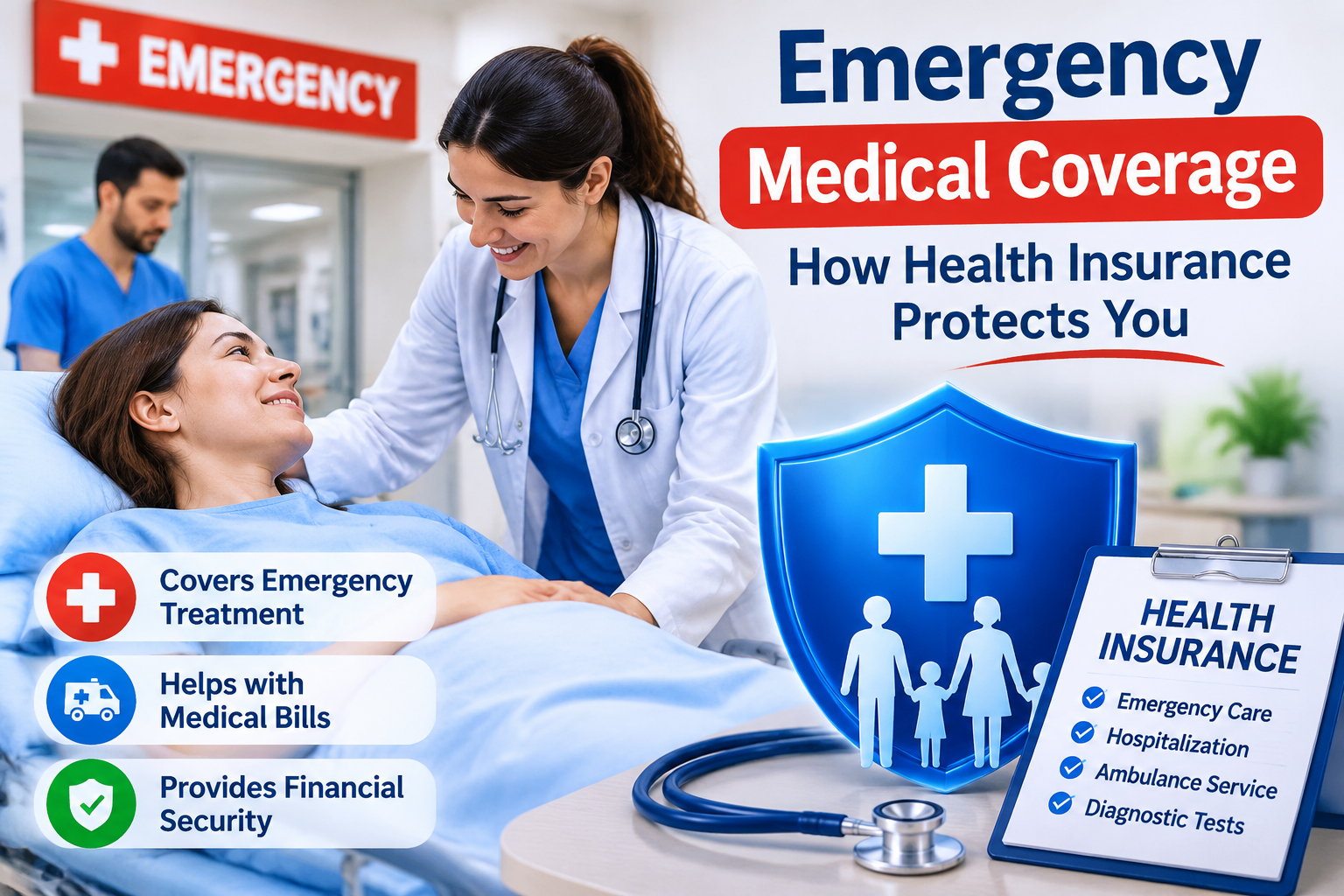
Review the policy’s benefits for inpatient care, emergency treatment, surgery, diagnostic testing, ambulance services, and hospital accommodation.
Some policies restrict coverage to specific hospitals or impose limits on particular treatments. Others require approval before planned procedures.
Understand how emergency treatment is handled when you are away from home. International travel may require additional coverage, particularly when your domestic policy offers limited protection abroad.
Family Medical Insurance should provide appropriate protection for the medical situations your household is most concerned about.
Read the policy documents carefully and ask the insurer to explain any limits that are unclear.
5. Examine Preventive Care and Children’s Benefits
Preventive care helps people maintain their health and identify potential problems early.
Depending on the plan and local regulations, benefits may include routine checkups, vaccinations, screening tests, and age-appropriate medical examinations.
Parents should confirm that their children can access necessary pediatric appointments and recommended preventive services.
Dental and vision benefits also deserve attention. Some policies include basic services, while others require separate insurance or additional premiums.
Check whether preventive services are fully covered or require copayments. Confirm whether you must use an in-network provider and whether age or frequency restrictions apply.
These benefits can make Family Medical Insurance more useful throughout the year, not only during emergencies.
6. Understand Exclusions and Waiting Periods
An insurance policy does not automatically cover every treatment or medical condition.
Exclusions identify services or circumstances that are not covered. Waiting periods describe the time that must pass before certain benefits become available.
Depending on the policy, restrictions may apply to particular procedures, pre-existing conditions, maternity services, elective treatments, or services that are not considered medically necessary.
Before signing a contract, read the exclusions and limitations carefully. Ask the insurer to explain any restrictions that could affect your family.
If you are switching from another policy, confirm whether waiting periods apply to the new coverage and whether any continuity protections are available.
Request written clarification about important benefits. This helps prevent misunderstandings when you later submit a claim.
7. Compare Several Insurance Providers
Comparing multiple insurers can help you identify differences in premiums, benefits, customer service, provider networks, and claims procedures.
Review the insurer’s reputation and understand how claims are submitted. Check whether the company offers digital claim tracking, clear customer support, and accessible policy documents.
Consider the renewal process, possible premium changes, and the rules for adding a new child or changing the covered family members.
Use the same comparison criteria for every plan. A consistent approach makes it easier to identify the strongest option for your needs.
The best Family Medical Insurance policy is the one that balances suitable protection, manageable costs, and convenient access to healthcare.
Important Features to Look for in Family Medical Insurance
Once you have shortlisted several plans, examine their individual benefits in greater detail.
Prescription Medication Coverage
Prescription medicines can represent a significant ongoing expense for some families.
Review which medicines are covered, whether generic alternatives are preferred, and whether certain prescriptions require approval. Check pharmacy networks and any limits on reimbursement.
If someone in your household takes medication regularly, estimate the annual cost under each policy.
Maternity and Newborn Benefits
Couples planning to have children should investigate prenatal appointments, maternity services, delivery expenses, and newborn healthcare.
Some policies have waiting periods, eligibility rules, or separate benefit limits. Others may not cover every maternity-related service.
Confirm the relevant terms before purchasing coverage, especially if pregnancy is already underway or planned soon.
Ask how and when a newborn must be added to the policy. Enrollment deadlines may apply.
Mental Health Services
Mental health is an important part of overall well-being.
Depending on the policy, coverage may include counselling, psychotherapy, psychiatric consultations, and selected treatments.
Check whether referrals are necessary, how many visits are covered, and whether your preferred provider participates in the network.
Dental and Vision Coverage
Routine dental examinations, fillings, eye tests, glasses, and contact lenses may not be included in standard medical insurance.
If these services matter to your family, compare policies that include them with plans that offer separate dental or vision coverage.
Consider the additional premium alongside the benefits you expect to use.
International Healthcare Benefits
Families who travel frequently or live abroad may need coverage outside their home country.
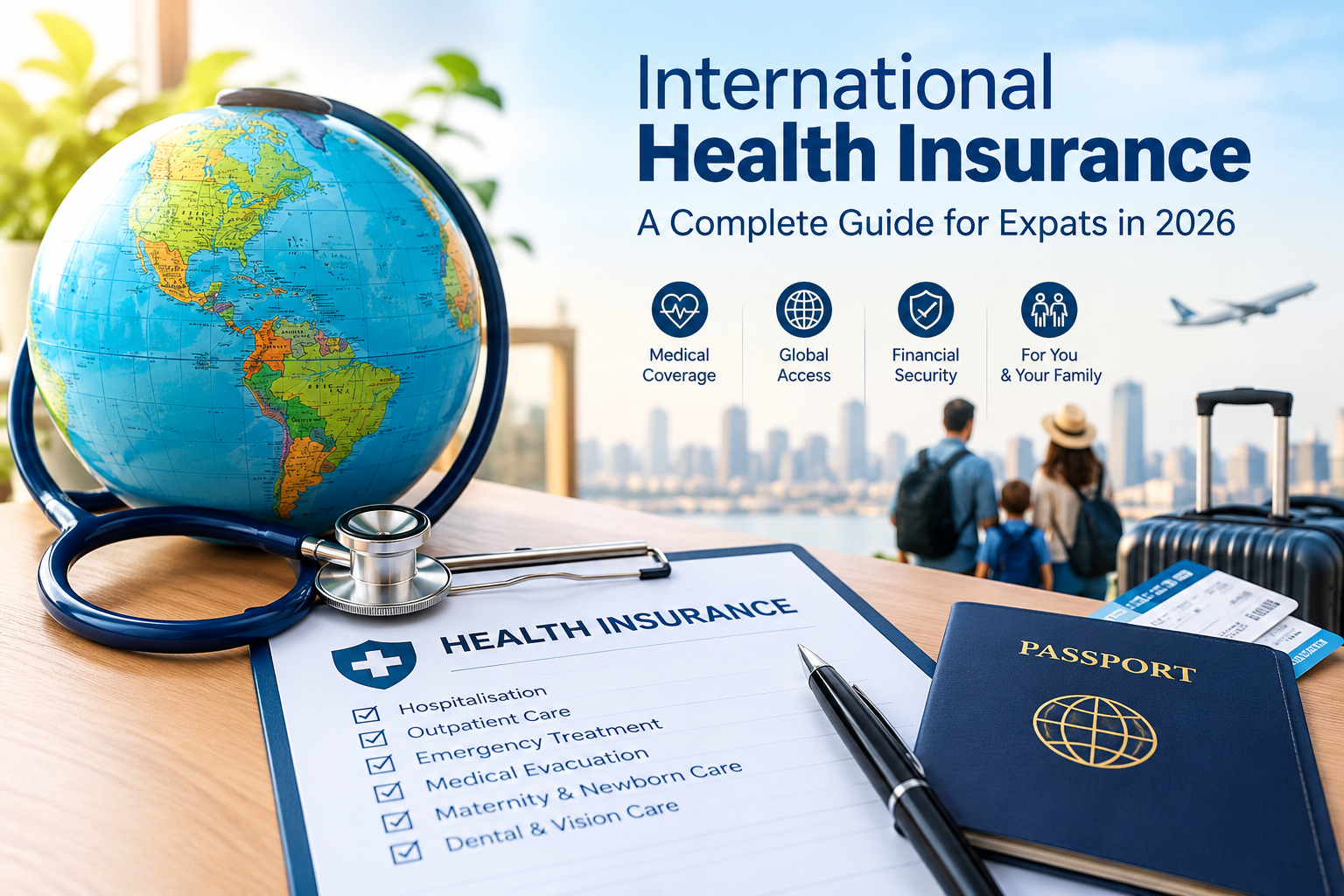
International medical insurance may offer geographical coverage, emergency evacuation, and access to selected healthcare providers abroad. However, benefits vary considerably between insurers.
Check which countries are covered, whether routine treatment abroad is included, and whether there are restrictions on pre-existing conditions or emergency evacuation.
How Much Does Family Medical Insurance Cost?
The cost of family coverage depends on several factors, including location, family composition, plan design, benefits, and the applicable insurance market.
There is no single price that applies to every household. The most reliable way to estimate the cost is to request quotations for plans available to your family.
Understand the Total Annual Expense
Consider a hypothetical family paying a monthly premium of $350.
The annual premium would be $4,200. If the family also paid $1,000 in applicable deductible expenses and $400 in copayments and coinsurance, its estimated annual spending would total $5,600.
This is an illustrative example, not an actual market quotation. It assumes the listed expenses are separate and applicable under the policy.
Your actual expenses could be lower or higher depending on the plan and healthcare services used.
Factors That Affect Premiums
Several factors may influence the cost of Family Medical Insurance:
- The country or region where the policy is purchased.
- The ages of eligible family members.
- The benefits and coverage limits selected.
- Deductibles and other cost-sharing arrangements.
- The type of policy and the insurer’s pricing rules.
- Employer contributions or government assistance, where available.
Different countries regulate insurance differently. For example, age, medical history, and family composition may be treated differently across insurance markets.
Always compare real quotations and confirm whether the listed price includes every family member you intend to insure.
Family Medical Insurance vs. Individual Health Insurance
Family policies and individual policies offer different ways to arrange healthcare coverage.
Advantages of Family Medical Insurance
A family policy can simplify administration by bringing eligible members together under one arrangement.
It may offer coordinated renewal dates and convenient access to shared policy documents. Some plans also provide family-level deductible arrangements.
However, family coverage is not automatically cheaper than separate policies. The available benefits and cost-sharing rules must be compared.
Advantages of Individual Health Insurance
Individual policies provide separate coverage for each person. This can be useful when family members have different eligibility requirements, healthcare needs, or provider preferences.
The disadvantage is that managing multiple policies may require additional paperwork and separate premium payments.
Which Option Should You Choose?
Compare the total annual premiums, deductibles, provider networks, and coverage limits for both options.
Consider whether one policy provides appropriate benefits for everyone or whether individual plans offer better flexibility.
The most suitable choice depends on your family’s circumstances and the insurance products available in your country.
Common Mistakes to Avoid When Buying Family Medical Insurance
Families can avoid unnecessary costs and confusion by paying attention to common insurance mistakes.
Choosing a Plan Only Because It Is Cheap
A low premium may be attractive, but the policy could offer limited benefits or high out-of-pocket expenses.
Evaluate the overall cost and protection before making a decision.
Ignoring Policy Exclusions
Failing to review exclusions may lead to unexpected expenses when treatment is needed.
Read the policy wording and ask for clarification about important conditions.
Forgetting to Check Hospital Access
A plan may not include your preferred doctor or hospital. Confirm provider participation before purchasing coverage.
Overlooking Future Family Changes
Marriage, childbirth, relocation, and changes in employment may affect your insurance requirements.
Choose a policy that suits your current circumstances and review your coverage when those circumstances change.
Missing Enrollment and Renewal Deadlines
Some insurance arrangements have specific enrollment windows or deadlines for adding dependants.
Keep track of important dates and contact your insurer before your existing coverage expires.
How to Choose Affordable Family Medical Insurance
A limited budget makes careful comparison particularly important.
Begin by identifying essential benefits, such as hospital access, appropriate medical consultations, and coverage for necessary prescriptions. Then compare plans that meet those requirements.
A higher deductible may reduce the premium, but it also means you may pay more when receiving certain services. Choose this arrangement only if your household can manage the potential expense.
Check whether your employer contributes toward family coverage. Depending on your location and eligibility, public programs, government subsidies, or official insurance marketplaces may offer additional options.
Avoid paying for benefits you do not need, but do not remove essential protection merely to achieve a lower monthly payment.
Compare the full cost of each policy, including premiums and likely out-of-pocket expenses.
Where to Find Reliable Insurance Information
Official sources can help you understand healthcare arrangements and investigate available coverage.
For information about health insurance options in the United States, visit HealthCare.gov:
For information about health policy and healthcare systems in the European Union, visit the European Commission’s health portal:
These resources apply to their respective jurisdictions and do not replace the terms of a particular insurance contract.
If you live in another country, consult the official health department, insurance regulator, or national healthcare website. Verify eligibility, deadlines, and benefits through authoritative sources before making a decision.
Frequently Asked Questions About Family Medical Insurance
1. What Is Family Medical Insurance?
Family Medical Insurance provides healthcare coverage for eligible family members through one policy or a coordinated arrangement. Covered services and payment conditions depend on the insurer and policy.
2. Who Can Be Included in a Family Health Insurance Plan?
Depending on the policy, a spouse, partner, and dependent children may be eligible. Some plans also permit other dependants, subject to specific requirements.
3. How Much Does Family Medical Insurance Cost?
Costs depend on your location, family composition, benefits, premiums, and deductibles. Request several quotations to compare the options available to your household.
4. Does Family Medical Insurance Cover Pre-Existing Conditions?
Coverage varies by country, insurance market, and policy. Review the applicable rules and request written confirmation from the insurer.
5. Does Family Medical Insurance Cover Pregnancy?
Some policies include maternity benefits, but waiting periods, eligibility requirements, and coverage limits may apply. Confirm these conditions before purchasing coverage.
6. Can I Add My Newborn to My Family Insurance?
Many plans have a process for adding a newborn, but deadlines and requirements vary. Contact the insurer to confirm the necessary documents and enrollment dates.
7. Are Dental and Vision Services Included?
Not always. Some policies include these benefits, while others require separate coverage or additional premiums. Review the benefits schedule carefully.
8. Can I Change My Family Medical Insurance Plan?
Changing plans may be possible during an enrollment period, at renewal, or after a qualifying life event. The rules depend on your insurance arrangement and country.
9. What Is the Difference Between a Premium and a Deductible?
A premium is the amount paid to maintain the policy. A deductible is the amount you must pay for certain covered services before the insurer begins paying according to the plan.
10. How Can I Find the Best Family Medical Insurance?
Assess your family’s healthcare needs, compare total costs, verify hospital networks, review exclusions, and compare several providers. Choose a policy that offers appropriate protection within your budget.
Conclusion
Choosing suitable Family Medical Insurance is an important step toward managing healthcare expenses and protecting your household from unexpected medical costs.
Start by understanding your family’s medical requirements and identifying the benefits that matter most. Compare premiums, deductibles, copayments, hospital networks, prescription coverage, preventive care, and policy exclusions.
Do not choose a policy based on price alone. A suitable plan should offer meaningful protection, convenient access to healthcare, and costs your household can realistically manage.
Read the official policy documents, compare multiple quotations, and confirm important details directly with the insurer. Review your coverage whenever your family circumstances change.
With careful research and realistic budgeting, you can select Family Medical Insurance that supports your family’s healthcare needs and provides greater confidence when medical expenses arise.
Disclaimer: This article is for general educational purposes only and does not constitute professional insurance, legal, or financial advice. Benefits, eligibility, costs, and consumer protections vary by country and policy. Always review official policy documents and applicable local rules before purchasing insurance.
European Commission — Public Health
European healthcare systems aur health policy ki information
Link: https://health.ec.europa.eu/
Families comparing different policies can also explore our guide to Affordable Health Insurance Options for Individuals and Families.
Readers interested in private coverage can learn more in our article about Private Health Insurance in the USA, UK, Germany and Italy.
For families living abroad, our guide to International Health Insurance: A Complete Guide for Expats in 2026 explains important coverage considerations.