SEO Title: Affordable Health Insurance for Families in 2026
Focus Keyword: Affordable Health Insurance Options
Meta Description: Explore affordable health insurance options for individuals and families in 2026. Compare plans, costs, coverage, and tips to save money.
URL Slug: affordable-health-insurance-options
Excerpt: Discover affordable health insurance options for individuals and families in 2026. Learn how to compare premiums, deductibles, coverage, and financial assistance to find a plan that fits your healthcare needs and budget.
Affordable Health Insurance Options for Individuals and Families
Finding affordable health insurance options is important for individuals and families who want reliable medical coverage without putting too much pressure on their budgets. Healthcare expenses can be unpredictable, and even a routine medical visit or unexpected hospital stay can become expensive without appropriate insurance.
Fortunately, there are several ways to find health insurance that balances monthly premiums, out-of-pocket costs, and essential medical benefits. The right choice depends on your location, household income, family size, medical needs, and eligibility for financial assistance.
In this guide, we explain affordable health insurance options for individuals and families, compare common types of plans, and share practical tips to help you choose suitable coverage in 2026.
What Is Affordable Health Insurance?
Affordable health insurance is a medical coverage plan that provides useful healthcare benefits at a cost you can reasonably manage. However, affordability does not depend on the monthly premium alone.
A plan with a low premium might have a high deductible, meaning you must pay more out of pocket before the insurer starts covering certain services. Another plan may have a higher monthly premium but lower costs when you visit doctors or need treatment.
When comparing affordable health insurance options, consider these expenses:
- Monthly premium: The amount you pay regularly to maintain coverage.
- Deductible: The amount you pay for covered services before your plan begins paying for services subject to the deductible.
- Copayments: Fixed amounts you pay for certain medical services.
- Coinsurance: The percentage of covered costs you pay after meeting the deductible when applicable.
- Out-of-pocket maximum: The annual limit on covered, in-network expenses for eligible essential health benefits under applicable US plans, excluding premiums and certain other costs.
Understanding these terms helps you compare the real cost of insurance instead of choosing a plan based only on its advertised price.
Best Affordable Health Insurance Options for Individuals and Families
Different insurance options suit different situations. Some are designed for employees, while others help people who are self-employed, unemployed, or purchasing coverage independently.
1. Employer-Sponsored Health Insurance
Employer-sponsored health insurance is often one of the most convenient options for people who work for companies offering medical benefits.
Employers frequently pay part of the monthly premium, reducing the amount employees contribute. Some employers also offer coverage for spouses and dependent children.
Benefits include:
- Employer contributions toward premiums.
- Access to a selection of health plans.
- Convenient payroll deductions.
- Potential access to preventive care and prescription benefits.
However, family coverage may cost substantially more than employee-only coverage. Compare your employer’s available plans and check whether the doctors and hospitals you prefer participate in the network.
2. Marketplace Health Insurance Plans
In the United States, individuals and families who do not receive suitable coverage through an employer may consider health insurance through the federal or state Health Insurance Marketplace.
Marketplace plans are generally organized into Bronze, Silver, Gold, and Platinum categories. These categories help explain how costs are divided between you and the insurer, rather than measuring the quality of medical care.
- Bronze: Usually lower premiums and higher costs when you receive care.
- Silver: Moderate premiums and cost-sharing; eligible households may qualify for additional savings on deductibles and other out-of-pocket expenses.
- Gold: Generally higher premiums with lower costs when receiving covered services.
- Platinum: Generally higher premiums and lower costs when receiving covered services, where available.
Eligible applicants may qualify for premium tax credits, depending on household circumstances and applicable rules. Cost-sharing reductions are available to eligible individuals who enroll in a qualifying Silver plan.
Compare available plans at HealthCare.gov or through your state’s official Marketplace.
3. Medicaid for Eligible Individuals and Families
Medicaid is a government-funded health coverage program in the United States for eligible people with limited income and certain other qualifying circumstances.
Depending on the state and eligibility category, Medicaid may cover children, pregnant individuals, parents, older adults, and people with disabilities.
Potential advantages include:
- Low or no premiums for many eligible members.
- Coverage for a range of medically necessary services.
- Preventive care and other benefits according to state rules.
- Access to children’s healthcare services.
Eligibility requirements vary by state and household circumstances. You can review program information through Medicaid.gov or your state’s Medicaid agency.
4. Children’s Health Insurance Program (CHIP)
The Children’s Health Insurance Program provides health coverage to eligible children in families whose income is too high for Medicaid but who meet their state’s CHIP requirements. Some states also cover eligible pregnant individuals through CHIP-related programs.
Depending on the state, benefits may include routine checkups, vaccinations, prescriptions, dental care, vision services, and hospital treatment.
CHIP can help families manage children’s healthcare expenses without purchasing a more expensive private plan.
Income limits, premiums, and cost-sharing rules vary by state. Families can apply or check eligibility through their state agency or HealthCare.gov.
5. High-Deductible Health Plans
High-deductible health plans typically offer lower monthly premiums in exchange for higher deductibles and greater upfront costs when you need care.
These plans may be appropriate for people who are generally healthy, have emergency savings, and want protection against substantial covered medical expenses.
However, a high deductible can become a financial challenge if you need surgery, ongoing treatment, or expensive prescriptions.
Some qualifying high-deductible plans can be paired with a Health Savings Account (HSA), which offers tax advantages under US law. Check current eligibility rules before opening or contributing to an HSA.
6. Short-Term Health Insurance
Short-term health insurance may provide temporary medical coverage in certain US states and circumstances.
It can sometimes help bridge a gap between other coverage arrangements, but it is not equivalent to comprehensive Affordable Care Act-compliant insurance.
Depending on the policy and applicable rules, short-term plans may exclude pre-existing conditions, prescription drugs, maternity care, or other services.
Before purchasing one, carefully review exclusions, benefit limits, renewal rules, and the period for which coverage is available. Do not assume that a low premium means adequate protection.
7. Private Health Insurance Plans
Private health insurance may be purchased directly from an insurer or through an authorized broker.
These plans can offer different provider networks, deductibles, premiums, and additional benefits. However, coverage and consumer protections vary depending on the type of policy and the country where it is sold.
When comparing private health insurance, check whether the policy includes hospitalization, specialist visits, prescription medicines, preventive care, and any treatment you expect to need.
For US residents, determine whether a plan is comprehensive major medical coverage or a limited-benefit product.
8. Family Health Insurance Plans
A family health insurance plan can cover multiple eligible household members under one policy.
Instead of managing separate policies, a family may be able to coordinate coverage, premiums, and deductibles through a single plan.
Family plans are particularly useful when parents want to arrange healthcare coverage for dependent children.
Before enrolling, compare the family deductible, individual deductibles, out-of-pocket limits, pediatric benefits, and provider networks. A plan that works well for one adult may not provide the best value for a family with children or ongoing medical needs.
How to Find Affordable Health Insurance Options
Finding an appropriate policy takes more than comparing advertisements. Follow these steps to make a more informed decision.
Step 1: Determine Your Healthcare Needs
Start by reviewing the medical services your household is likely to need during the coming year.
Consider routine checkups, prescriptions, specialist appointments, ongoing treatments, and planned procedures. Families with children may also want to examine pediatric, dental, and vision benefits.
You do not need to predict every medical expense. The goal is to identify the coverage features that matter most.
Step 2: Compare Total Annual Costs
A low monthly premium does not automatically mean a plan is inexpensive.
Calculate your expected annual premiums and consider likely copayments, deductibles, coinsurance, and other eligible expenses.
For example, a plan with a monthly premium of $250 costs $3,000 annually in premiums alone. A plan with a monthly premium of $320 costs $3,840 annually.
The first plan saves $840 in premiums, but the second could still offer better overall value if its cost-sharing is substantially lower and you expect to use medical services frequently.
These figures are illustrative examples, not current market quotes.
Step 3: Check Your Doctors and Hospitals
Provider networks can make a major difference in the cost of treatment.
Some insurance plans charge more for out-of-network care or do not cover routine out-of-network services at all, except where specific protections or exceptions apply.
Check the insurer’s current provider directory and confirm participation directly with the medical provider before enrolling.
Step 4: Review Prescription Drug Coverage
If you or a family member takes prescription medication regularly, check the plan’s drug formulary.
Look at medication tiers, copayments, coinsurance, prior authorization requirements, and pharmacy restrictions.
A plan with an attractive premium may become expensive if your regular medication is not covered or requires substantial cost-sharing.
Step 5: Check Financial Assistance
If you live in the United States, you may qualify for government assistance depending on your income, household size, state, and other eligibility requirements.
Possible options include Marketplace premium tax credits, cost-sharing reductions for eligible Silver plan members, Medicaid, and CHIP.
Use official government resources to confirm eligibility and application requirements rather than relying on general estimates.
Step 6: Understand Enrollment Deadlines
Marketplace coverage usually has an annual Open Enrollment Period. Enrollment outside that period may be possible if you qualify for a Special Enrollment Period or another applicable pathway.
Medicaid and CHIP applications can generally be submitted throughout the year.
Employer plans have their own enrollment rules, while other private policies may have different application requirements. Check current deadlines before making changes to existing coverage.
Affordable Health Insurance for Different Household Types
Insurance for Single Adults
Single adults may compare employer coverage, Marketplace plans, Medicaid if eligible, and other comprehensive insurance options available in their state.
Consider your income, anticipated healthcare use, and ability to pay a deductible. A lower-premium plan may be suitable if you can comfortably manage its cost-sharing and it provides appropriate protection.
Insurance for Married Couples
Married couples should compare the cost of covering both spouses under one policy with the cost of enrolling separately.
Sometimes, one spouse’s employer plan is less expensive than adding the other spouse. In other cases, a joint policy offers better value.
If either spouse has access to employer-sponsored coverage, examine the employer contribution and applicable Marketplace subsidy rules before deciding.
Insurance for Families With Children
Parents should prioritize plans with appropriate pediatric coverage, preventive services, prescription benefits, and access to nearby doctors and hospitals.
Families with lower incomes may qualify for Medicaid or CHIP, depending on their circumstances and state rules.
Compare family deductibles and out-of-pocket limits carefully. A policy’s individual deductible may differ from its family deductible.
Insurance for Self-Employed Individuals
Self-employed people may explore Marketplace coverage, eligible government programs, and private comprehensive plans.
Since there may be no employer paying part of the premium, comparing available subsidies and the total annual cost is especially important.
Self-employed individuals should also review how premiums and eligible medical expenses interact with their tax situation. Tax treatment depends on applicable rules and personal circumstances, so professional advice may be useful.
Common Mistakes to Avoid When Choosing Health Insurance
Selecting a health plan without examining its details can create unexpected financial problems.
Choosing only by premium: Always evaluate deductibles, copayments, coinsurance, and other expenses.
Ignoring exclusions: Read the policy documents to understand which services are covered and which are excluded.
Overlooking provider networks: Confirm that your preferred doctors, hospitals, and pharmacies participate in the plan.
Assuming every policy covers pre-existing conditions: Coverage rules differ by product and jurisdiction. Verify protections before purchasing.
Missing enrollment deadlines: Check the dates and eligibility rules that apply to your chosen coverage.
Buying limited-benefit coverage without understanding its restrictions: A discount plan, fixed-indemnity policy, or short-term policy may not replace comprehensive medical insurance.
Avoiding these mistakes can help you select affordable health insurance options that provide meaningful protection when you need medical care.
Affordable Health Insurance Options in 2026: Important Considerations
Health insurance prices, eligibility rules, and available benefits can change from year to year.
In 2026, individuals and families should review current premiums, provider networks, prescription coverage, deductibles, and eligibility for financial assistance before enrolling.
Do not assume that last year’s plan is still the best choice. Compare available alternatives during the appropriate enrollment period and confirm the final costs directly with the insurer or official Marketplace.
For people living outside the United States, insurance systems differ significantly. Residents should check their own country’s public healthcare programs, employer benefits, private insurers, and consumer protection rules before applying.
Frequently Asked Questions (FAQs)
1. What are the most affordable health insurance options for individuals and families?
In the United States, options may include employer-sponsored coverage, Marketplace plans with eligible financial assistance, Medicaid, and CHIP for qualifying children. The most affordable choice depends on household income, location, medical needs, and total plan costs.
2. How can I get health insurance if I have a low income?
Depending on your circumstances and state, you may qualify for Medicaid, CHIP for eligible children, or Marketplace financial assistance. Check eligibility through HealthCare.gov or your state’s official agency.
3. Is a low-premium health insurance plan always the cheapest?
No. A low-premium plan may have a high deductible, greater cost-sharing, or a limited provider network. Compare premiums and expected medical expenses to understand the overall cost.
4. Can a family get health insurance under one policy?
Yes. Many insurers offer family plans that cover eligible spouses and dependent children. Compare the family premium, deductibles, covered benefits, and out-of-pocket limits before enrolling.
5. What is the difference between a deductible and a premium?
A premium is the regular amount you pay to maintain coverage. A deductible is the amount you pay for covered services subject to the deductible before the insurer begins paying its share.
6. Can self-employed people purchase affordable health insurance?
Yes. Self-employed individuals may consider Marketplace plans, eligible public programs, and private comprehensive coverage. Available subsidies and total costs depend on individual circumstances.
7. Does health insurance cover pre-existing conditions?
Many comprehensive US Marketplace and employer plans provide protections for pre-existing conditions under applicable federal law. Other insurance products may have different rules or exclusions, so always verify the policy type and its protections.
8. When should I compare health insurance plans?
Review your coverage before annual enrollment deadlines, when your household circumstances change, or when you become eligible for a different coverage option. Special enrollment opportunities may apply after qualifying life events.
Conclusion
Finding affordable health insurance options for individuals and families requires careful comparison of premiums, deductibles, benefits, provider networks, and financial assistance.
Employer-sponsored coverage may be convenient for workers, while Marketplace plans can provide alternatives for people buying insurance independently. Eligible households may also benefit from Medicaid or CHIP. The right option depends on your medical needs, budget, household circumstances, and location.
Before choosing a policy, calculate the potential annual cost, check your preferred doctors and prescriptions, and review the policy’s limitations. Use official government resources to verify eligibility and current enrollment requirements.
By comparing the available options carefully, you can make a more informed decision and find health coverage that balances affordability with meaningful financial protection.
Recommended Internal Links
Add links to relevant articles already published on your website:
- Health Insurance for Families: A Complete Guide
- How to Compare Health Insurance Plans
- Understanding Health Insurance Deductibles
- Private Health Insurance: Benefits and Costs
- Health Insurance for Self-Employed Individuals
Only use these links if the corresponding pages exist on your website.
Recommended External Authority Links
- HealthCare.gov: https://www.healthcare.gov/
- Medicaid: https://www.medicaid.gov/
- CHIP: https://www.insurekidsnow.gov/
- Centers for Medicare & Medicaid Services: https://www.cms.gov/
These authoritative resources provide additional information about US health insurance programs, eligibility, and coverage.
Suggested Image Details
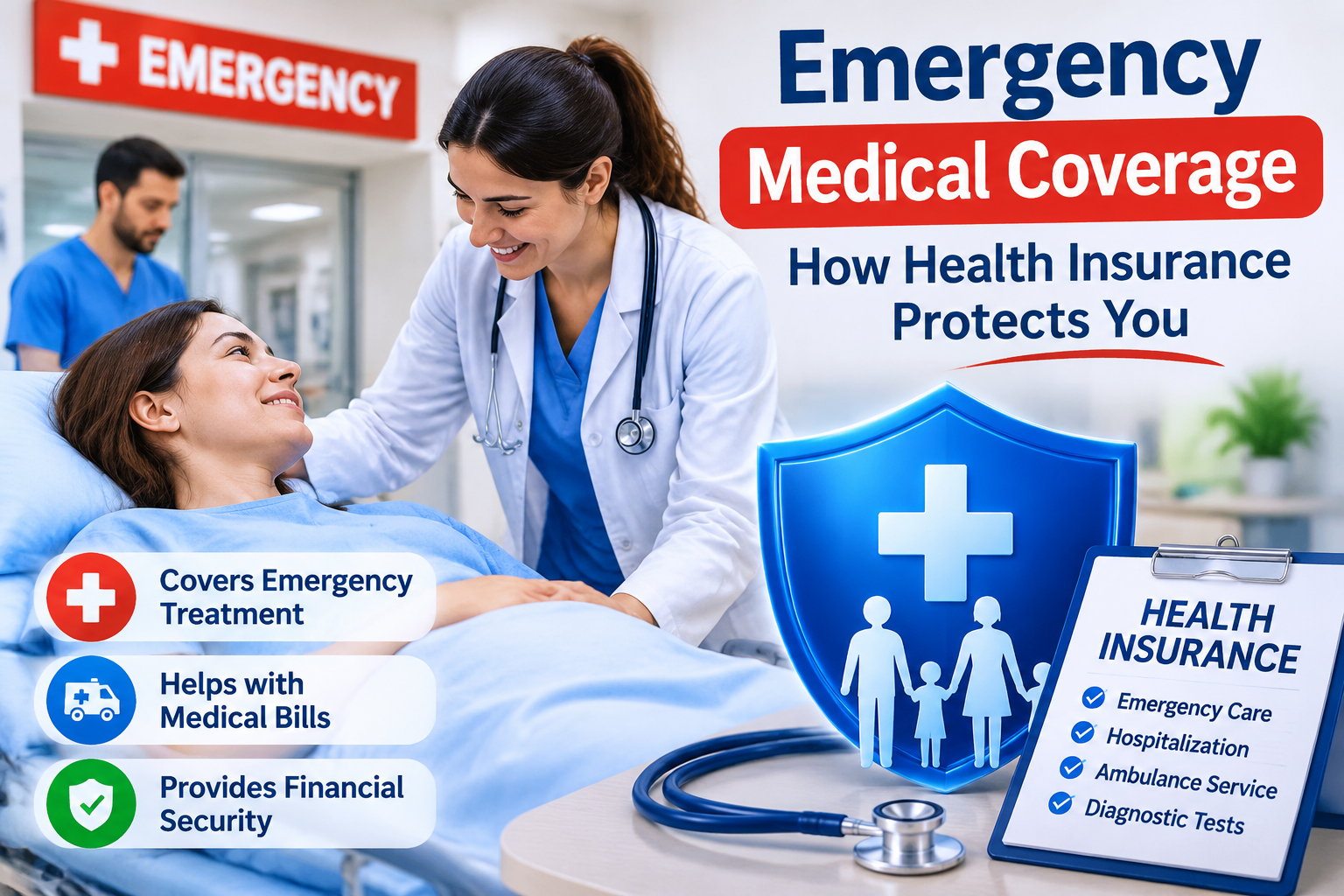
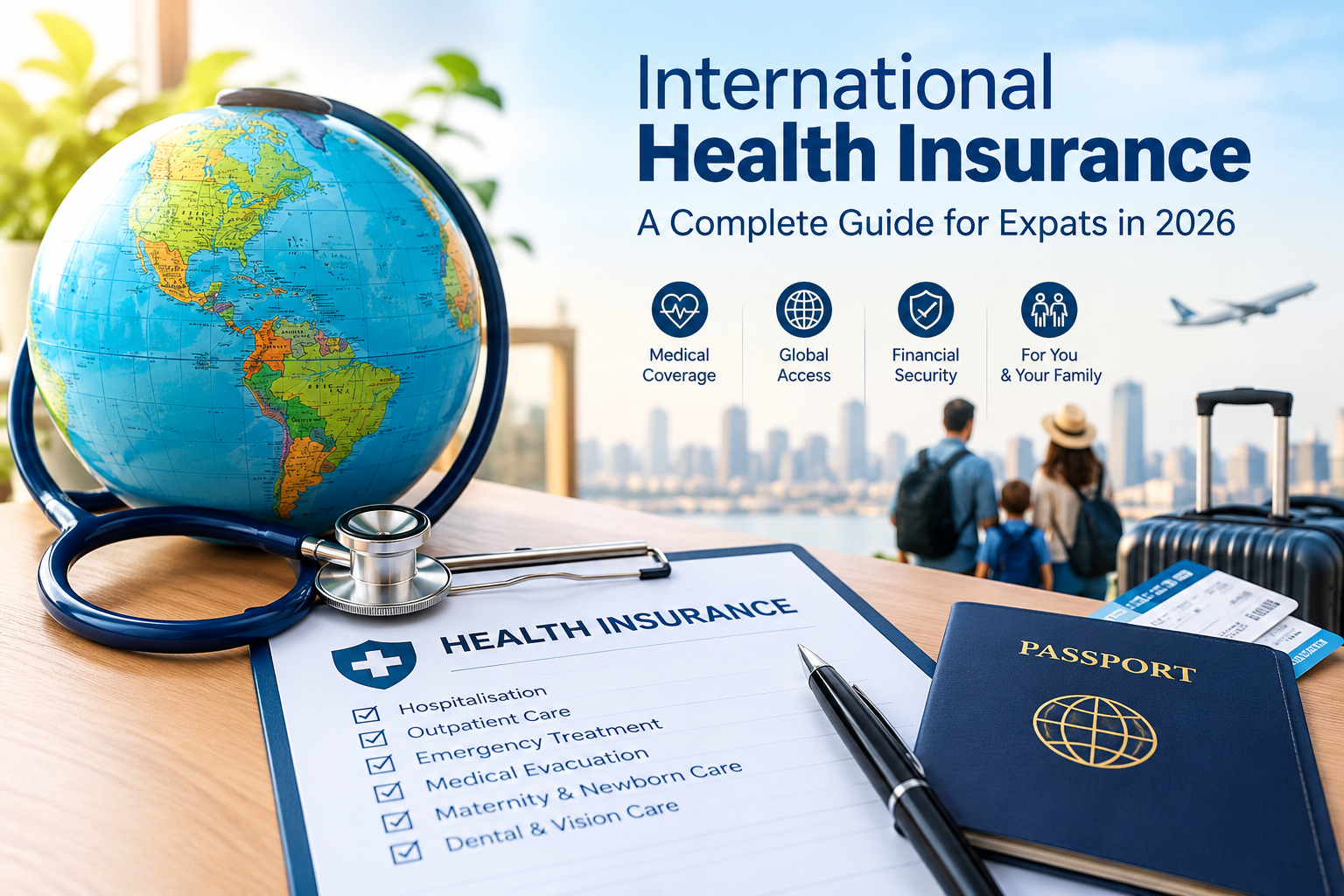
Image title: Affordable Health Insurance Options
Image alt text: Affordable Health Insurance Options
Image caption: Compare affordable health insurance options for individuals and families.
Image description: A healthcare insurance guide illustrating how individuals and families can compare medical coverage, premiums, deductibles, and benefits to find suitable insurance in 2026.
Related Health Insurance Guides
Choosing the right medical coverage becomes easier when you understand different insurance options. Read our guide on Health Insurance for Families to learn about family coverage. You can also explore How to Compare Health Insurance Plans to understand premiums, deductibles, and benefits. For more information, read our guide to Understanding Health Insurance Deductibles.